

A crystal can appear to change colour because of lighting, viewing angle, photographs or its physical condition. Those possibilities should be considered separately. A different appearance is not evidence that a stone has absorbed energy or completed a purpose. Start with consistent observation, check the material's care guidance and ask for advice if the change suggests damage or remains unexplained.
Compare the light first
Warm bulbs, cool daylight and a phone camera's automatic settings can shift how a colour looks. A stone photographed against white may appear different beside dark fabric. Before assuming a physical change, compare it under the same light and against the same background. Screens can also display the same photograph differently, so online images are not an exact colour measurement.
Consider the viewing angle
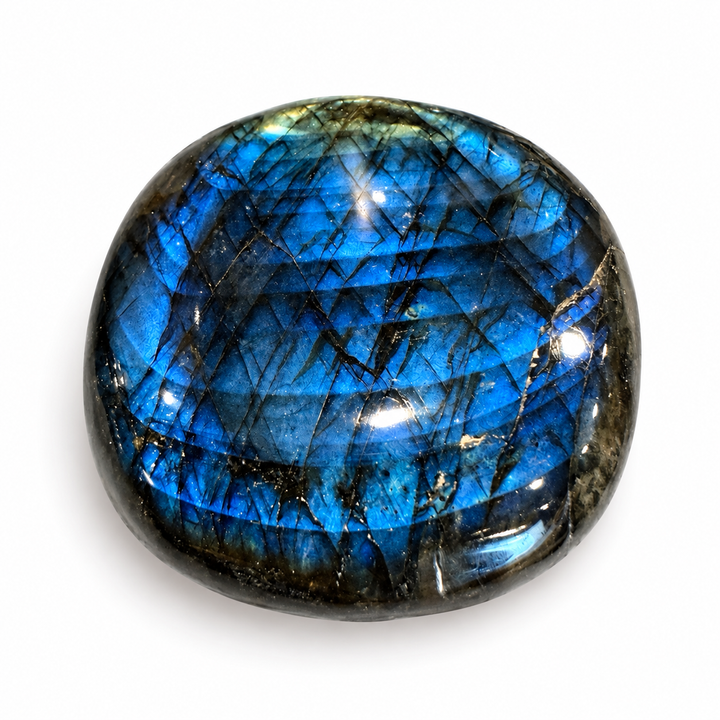
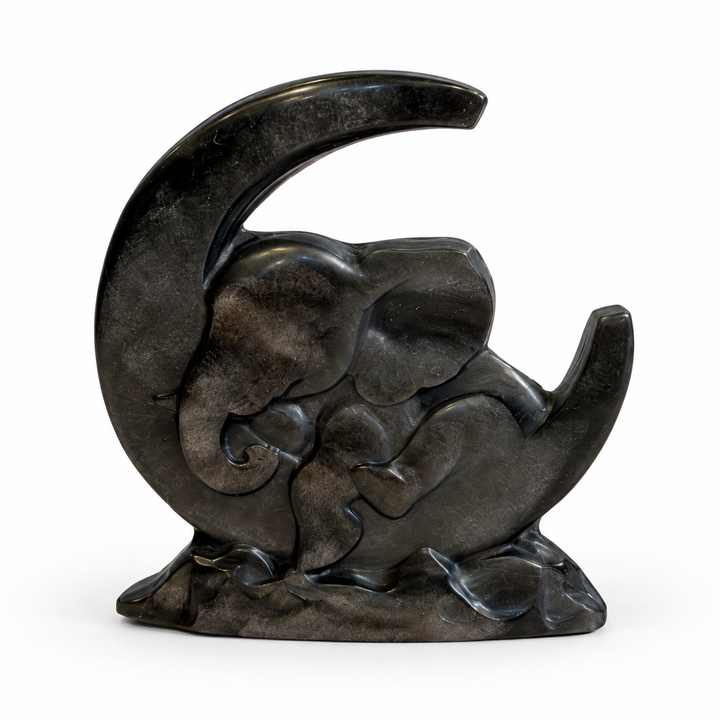
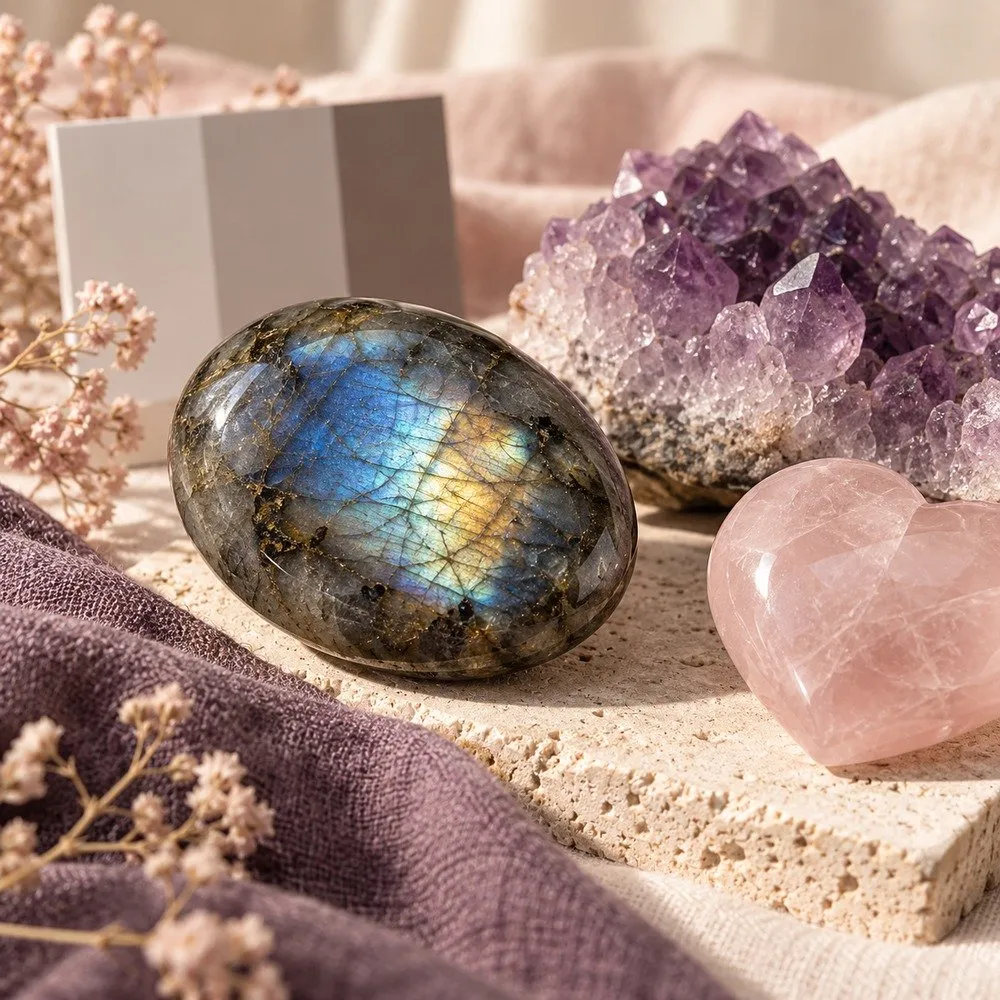
Some materials show reflected effects that become more visible from particular directions. A labradorite palm stone may reveal a different flash as you move it, while silver- or gold-sheen obsidian can look darker when that reflection is less apparent. Review the selected listing's description and photographs. An angle-dependent effect should not be confused with a permanent change to the material.
Check for exposure and surface changes
A change may also involve dust, deposits, moisture, heat or material-specific fading. GIA notes that excessive light and heat can affect some coloured gemstones, including amethyst. That does not diagnose every pale area or unfamiliar mark. Think about where the piece has been displayed and whether its recent care followed the product's instructions, without experimenting to prove a theory.
Record what you notice
Take clear photographs from several angles using the same background and light. Note when the change became apparent and any move, spill or cleaning method that preceded it. Avoid scratching, burning, soaking or aggressive polishing. Those tests can cause additional damage and make the original issue harder to assess. A useful record gives the shop more context than a single close-up.
Ask about the exact piece
Labradorite Palm Stone, The Amethyst Geode Series and Silver and Gold Obsidian Crystal Collection illustrate why different materials need different explanations. Provide the product name and selected variant when contacting the shop. Ask whether the feature is expected, needs care advice or deserves closer assessment. A photograph alone may not settle questions of identification, treatment or condition.
Keep the piece in a stable location that follows its individual care guidance while you seek clarification. Do not apply a cleaning method simply because it worked on another stone. Before buying, check material descriptions, photographs and care notes so you know what appearance to expect. Careful observation allows you to appreciate natural variation while taking real changes seriously and avoiding unnecessary damage.

A little guidance from Crystalier
Meet Jill
Our virtual presenter, thoughtfully introducing the stories, symbolism and everyday care behind your favourite crystals.